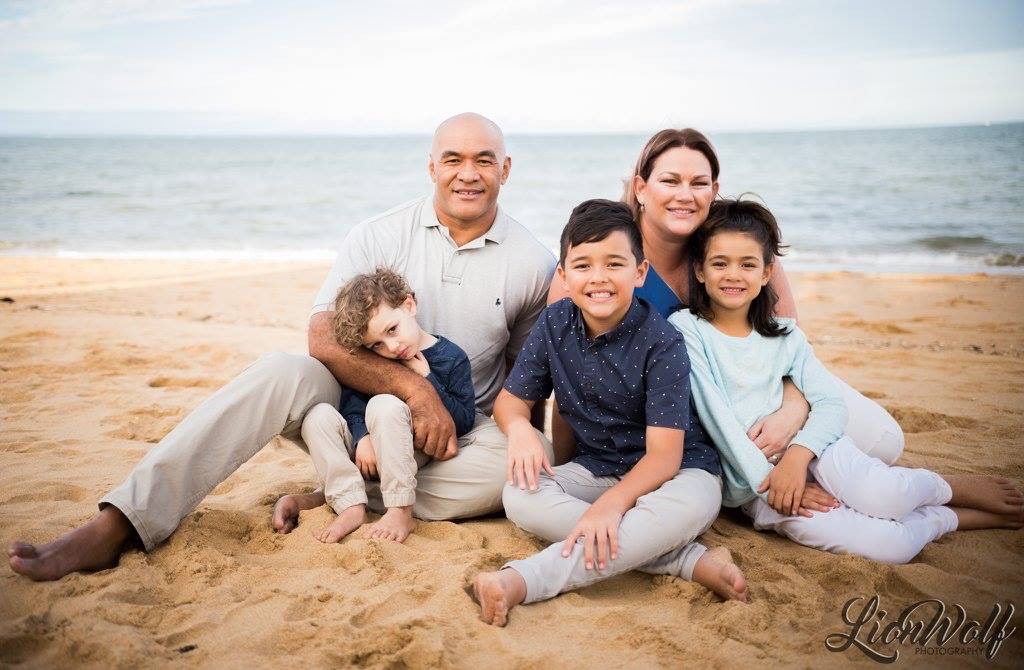
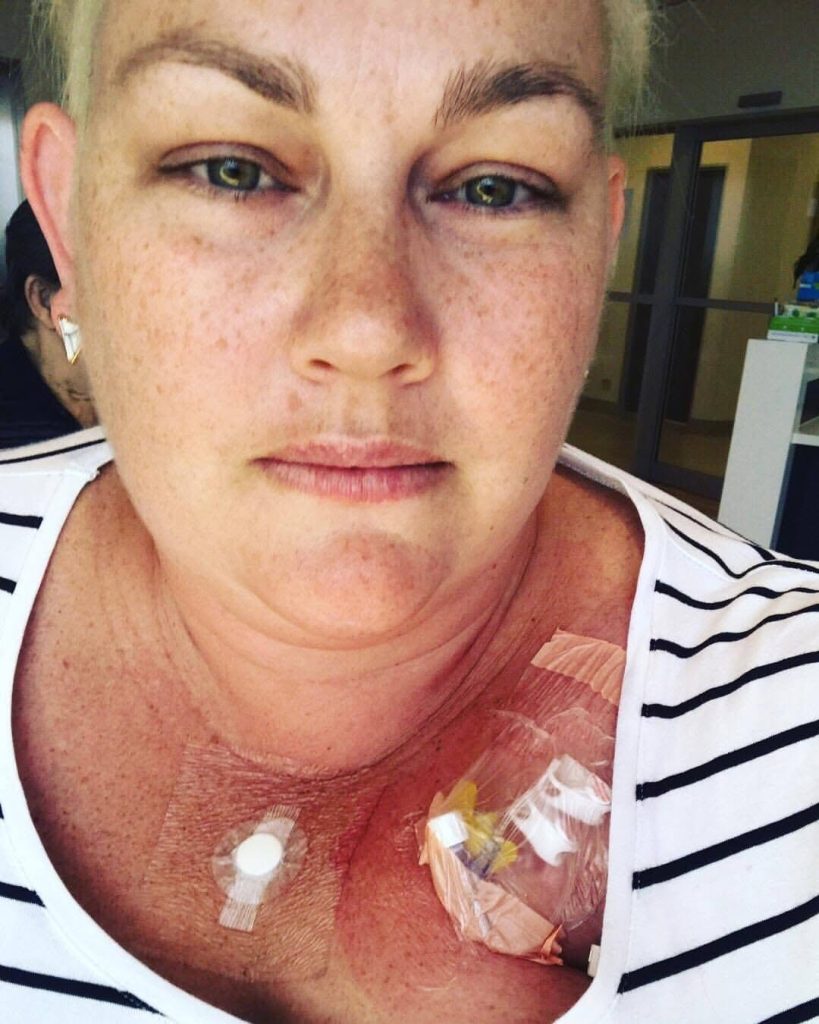
By the time she was 35 years old, Brisbane woman Jodie experienced red flag signs and symptoms of bowel cancer but after eight years, she’d become used to them being attributed to something else.
She was anaemic, constantly fatigued and had rectal bleeding, blood in her stool, and a mucosal discharge after going to the toilet.
However, as a young woman and new mother, doctors advised the blood was due to haemorrhoids and attributed the other symptoms to pregnancy and post-partum changes.
Over several years, Jodie was told she needed to eat more fibre, lose weight, and that her anaemia was the cause of her fatigue.
But with no improvements in her health after taking iron tablets and vitamins and closely following what GPs had advised; Jodie demanded a colonoscopy.
“It took me 12 months to get a referral for a colonoscopy and then another eight months for an examination”
“I ended up on the wait list for so long that nurses and doctors were remarking on how long it had been.”
After years of being misdiagnosed and waiting, Jodie finally received the news: it was not haemorrhoids; it was cancer.
“I had the procedure and found out I had a tumour in my sigmoid colon. There was not one haemorrhoid but there was stage III bowel cancer,” Jodie said.
The cancer-specific five-year survival rate for early onset bowel cancer is 94 per cent when detected at stages I and II but drops to 77 per cent by stage III and just 21 per cent at stage IV.1
“Looking back, I had been experiencing signs and symptoms of bowel cancer since 2009, but I wasn’t diagnosed until 2017 – the delay made things far worse than they should have been.”
Today, Jodie encourages Australians to trust their instincts and seek answers if symptoms persist. Her experience highlights the importance of ensuring those with red flag signs and symptoms of bowel cancer are diagnosed as soon as possible.
Dr Kat Goodall, diagnosed at age 33
When you’re a doctor, you get used to giving bad news and, to an extent, you learn to insulate yourself from it.
So, at just 33-years-old, it came as a huge shock to Dr Katherine Goodall that she would hear those dreaded words herself from her own doctor.
“Unfortunately, I found cancer.”
Dr Goodall was working at the Princess Alexandra Hospital in Brisbane when she was diagnosed, having relocated from Cairns during her surgical training. Her life and career were placed on hold for nine months while she underwent treatment.
“Chemotherapy really knocked me around, and I developed symptoms that any surgeon would dread, including hand-foot syndrome, and peripheral neuropathy,” Dr Goodall said.
“Chemotherapy really knocked me around, and I developed symptoms that any surgeon would dread, including hand-foot syndrome, and peripheral neuropathy”
“Fortunately, I found some amazing support from an occupational therapist and took up some hobbies that would help me recover. I was able to go back to surgical training part-time.
“I had been interested in colorectal surgery since I was an intern and have since decided to continue that pathway. So, I suppose you could say the experience of having bowel cancer myself, didn’t deter me from my chosen career.”
Dr Goodall is one of a growing number of young Australians who are being diagnosed with bowel cancer as one-in-eight new cases now occur in people aged under 50.
She wants to use her unique position as a surgeon-patient to advocate for GPs to recognise the early red flag signs of bowel cancer.
“In my own practice, I’ve learned not to ask questions like ‘have you noticed any rectal bleeding?’ or ‘have you changed your bowel habits?’ because patients don’t know what that means”
“Instead, I ask, ‘in the past 12 months, have you changed how many times a day you go to the toilet?’ or ‘have you noticed any changes to the colour or consistency of your poo?’
“But my standard question is simply, ‘Is there anything new about your poo?’”
Dr Goodall said she’d like to encourage GPs to refer more ‘grey-area’ patients.
“That one you are on the fence about? I would love to meet that patient,” she said.
“All professionals have missed opportunities for finding cases – not just GPs – because it is hard to pinpoint which patient with PR bleeding needs urgent intervention. We can work together to figure it out.”
1 in8
colorectal cancer diagnoses in Australia are in people < 50 years old 4,6
0
years of healthy life were lost due to colorectal cancer in 2022 7
Explore our series of three online modules and two clinical audits to earn 19 accredited hours of CPD